
Mobile play: connection and data safety
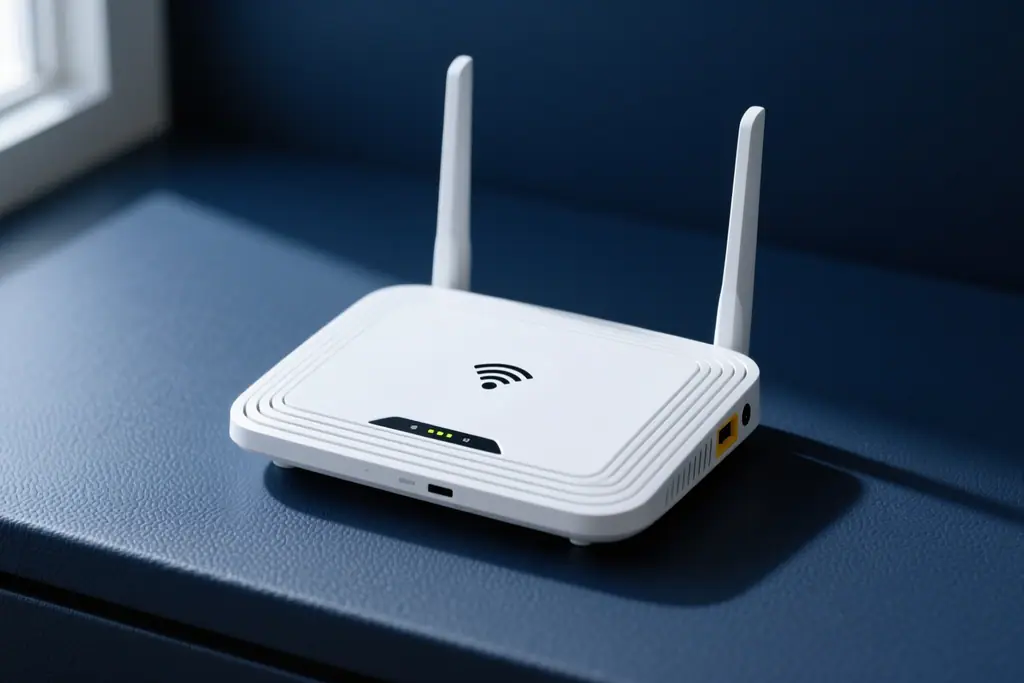
Playing on the move means relying on networks you do not control, and public connections are the least private of all. A little caution about Wi-Fi and sessions protects both your account and your data. This article explains the risks of open networks, how to keep a session safe, and why logging out matters. It is informational only, and conditions and limits are set by the operator.
Why public networks need caution
An open network in a cafe, a station or a hotel is shared with everyone around you. On such a connection, the traffic is easier to observe than on a network you own. That does not mean every open network is hostile, only that you cannot be sure.

A copycat hotspot is a common trick, where a network uses a familiar name to tempt you in. Once you connect, your data can be watched or altered. If you did not set up the connection, treat it as untrusted.
Staying private on your own connection
Your own mobile data or a trusted home network is almost always the better choice for logging in or paying. There, the traffic is far harder for a stranger to intercept. When you have the option, use it.
If you must use a shared connection, avoid any page that asks for card or bank details. Save those tasks for a network you trust. Protecting the account is worth the small inconvenience of waiting.
Managing sessions and logins
Every time you sign in, a session begins, and it continues until you log out or it expires. On a shared device or a shared network, an open session is an opportunity for someone else. Ending it deliberately removes that risk.
Sign out when you finish, especially on a borrowed phone or a public computer. Check the account's list of active devices if it offers one, and close anything you do not recognise. A quick review of sessions is a strong habit.
Habits that protect your data
Good habits on the move are simple, and they cover most of the realistic risks. The list below gathers the ones worth keeping. None of them requires special tools.
- Use your own mobile data for anything sensitive.
- Avoid entering card or bank details on public Wi-Fi.
- Turn off file sharing when you join a new network.
- Sign out at the end of every session.
- Keep the phone's lock screen and updates current.
Together these habits close the gaps that a careless connection would open. They take seconds and ask for nothing special. Adopt them once and they become automatic.
Comparing connection types
Not every connection carries the same risk. The table below outlines how the usual options compare for anything involving money or personal details. Use it when you decide where to sign in.
| Connection | Typical risk level | Best used for |
|---|---|---|
| Your own mobile data | Lower | Logins and payments |
| Trusted home network | Lower | Everything |
| Public open Wi-Fi | Higher | Reading only, never paying |
| Shared device | Higher | Avoid for accounts |
| Unknown hotspot | Highest | Avoid entirely |
The pattern is straightforward: the less control you have over the network, the less you should do on it. Match the task to the connection. When in doubt, wait until you are on a network you trust.
What to do if something seems wrong
If a page behaves strangely or you are asked for details you did not expect, stop and disconnect. Then sign in from a network you trust and check your account for anything unfamiliar. Changing your password quickly limits the damage.
Review recent activity and report anything you cannot explain to the operator's support team. Keep a note of what you saw and when, because details help a review. Acting early is far easier than fixing a problem later.
Recognising a risky connection
Not every free network is dangerous, but some are easy to identify as risky. A network with no password, or one that asks you to install something before connecting, deserves caution. The name alone proves nothing.
A hotspot that appears in several places under the same name may be a copy. If the network is not run by a place you can identify, treat it with care. When you are unsure, use your own data instead.
Simple tools that add protection
A few built-in tools reduce the risk without much effort. A virtual private network can make your traffic harder to observe on a shared connection. Your phone's own privacy settings also limit what apps may share.
Keeping the operating system updated closes gaps that attackers look for. Turning off automatic connections to open networks stops your phone joining them by habit. These settings are usually a single switch away.
Keeping your device itself safe
A lost or borrowed phone is a bigger risk than any single network. A strong lock screen and a short auto-lock delay protect the account if the device goes missing. Do not rely on a simple pattern anyone could guess.
Keep the number of apps with access to your messages and storage to a minimum. Each extra permission is another way in. Review them now and then and remove what you no longer need.
Playing on the move is convenient, and it only takes a few habits to keep it safe. Use connections you trust for sensitive steps, end your sessions, and watch for anything that feels off. Betting is for adults aged 18+ only, and conditions and limits are always set by the operator. If play stops feeling like entertainment, talk to someone you trust and contact local support services.
Read next
Android app: safe download and installation
Where to get the file and what to check before installing.
iOS app: installation and first setup
Steps for iPhone and what to do if the app is unavailable.
App or browser: an honest comparison
What the app adds, what it does not and when the browser is enough.