
Limits and breaks: the tools worth using
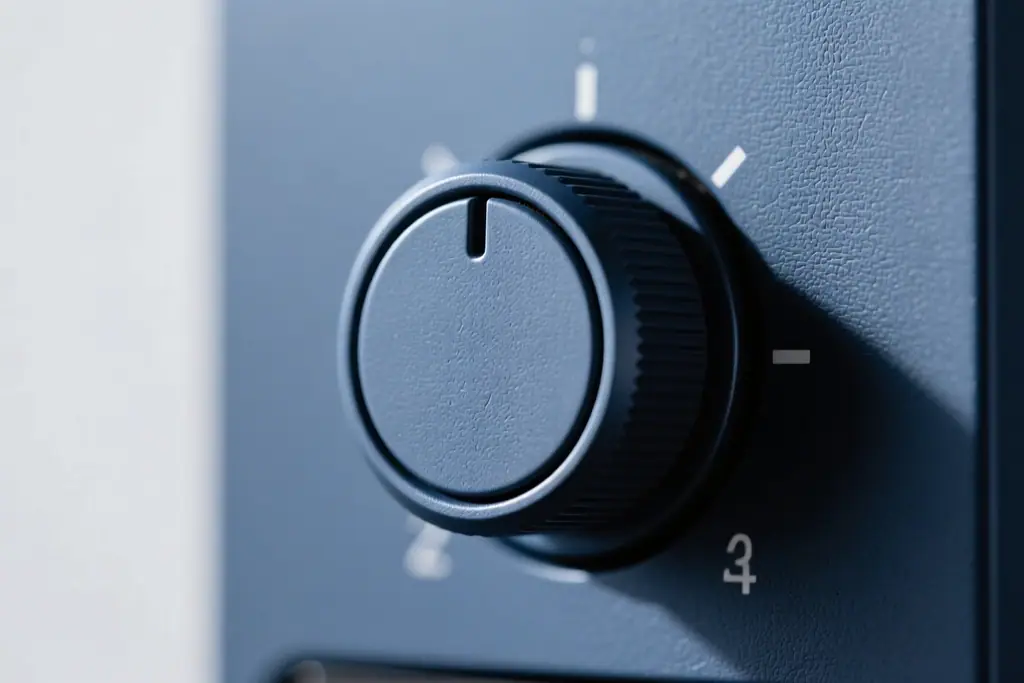
Limits and breaks are often read as restrictions, as though someone else were taking something away. In practice they are the player's own controls, and they are the most reliable tools available in a market built on chance. A deposit limit is not a punishment, it is a decision made once so that it does not have to be made every evening. Used well, these tools keep betting inside the place where it belongs, which is entertainment.
Why limits are part of play, not a penalty
Betting is designed to feel easy to continue, and that design does not care whether continuing is a good idea. A limit interrupts the flow by moving a decision out of the moment and into the past, where you were calm. That is the whole trick, and it explains why limits work when willpower sometimes does not. The tool replaces a feeling with a rule.

Thinking of a limit as a penalty puts it in the wrong frame. A penalty implies that the activity would be fine if only you were stronger. A limit simply admits that the activity is designed to be absorbing, and it plans for that honestly.
Deposit and loss limits
A deposit limit caps the money that can enter the account over a period you choose. It slows the pace without changing which bets are available, and it gives you time to notice a pattern. A loss limit goes further by capping the amount that can be lost, regardless of deposit activity. Both are usually adjustable, and some of them tighten immediately while loosening takes effect later.
The delayed loosening is deliberate. It exists so that a player cannot raise a limit in the middle of a losing run, which is exactly when the urge is strongest. If a limit feels inconvenient, that inconvenience is the feature working as intended.
Session limits and reminders
Session tools work on time rather than money. A reminder tells you how long you have been playing, and a session limit closes the account once that time is used. These matter because a long session often produces more bets without any decision to place them. Time passes quietly, and the number of bets grows with it.
The same logic explains why the tools target duration. It is rarely a single large bet that causes trouble, it is the accumulation of many small ones that each felt reasonable. A clock is a blunt instrument, and blunt is exactly what is needed.
Time-outs and self-exclusion
A time-out is a short break that locks you out for a set period, and a self-exclusion is a longer one. Both are stronger than a limit because they remove access rather than tame it. Choosing a break is not an admission of a problem, it is a normal response to noticing that play has stopped being fun. The tools exist precisely so that the decision can be made early rather than late.
Self-exclusion usually cannot be undone before it ends, which is its strength. It is the version of the decision that cannot be talked out of later. That rigidity is uncomfortable in the moment and reassuring in hindsight.
The tools, their purpose and when to use them
The table below summarises the main options and the moment each one tends to help most. The order runs from the gentlest tool to the firmest, which also happens to be the order most players move through them. Choosing one row is usually better than trying to use all of them at once.
| Tool | What it does | When it helps |
|---|---|---|
| Deposit limit | Caps money entering the account | Pace feels too fast |
| Loss limit | Caps what can be lost | Stop points slip |
| Reminder | Shows time spent playing | Sessions run long |
| Session limit | Ends access after set time | Evenings disappear |
| Time-out | Locks access for a period | A break is needed |
| Self-exclusion | Blocks access for longer | Play is no longer fun |
Getting support without drama
If play has stopped feeling like entertainment, the useful step is to talk to someone you trust and to reach out to local support services. Help of this kind is free and confidential, and it does not require a crisis. Many people use it simply to reset a routine that had drifted.
- Set a deposit limit before the first bet, not after a loss.
- Choose a loss limit that a single session cannot erase.
- Turn on reminders if sessions tend to run long.
- Use a time-out when a break feels overdue.
- Contact local support services if play stops being fun.
Setting the limit before you need it
The strongest time to choose a limit is before anything has gone wrong, when the decision carries no weight. A limit set after a difficult session is still useful, but it is chosen by the same person who just had the difficult session. Doing it early removes that influence and makes the number easier to trust. The tool works best when it is not a response to anything.
It is also worth telling someone you trust what you have set, because a stated rule is harder to quietly ignore. Nothing about this requires drama or confession, just a small piece of accountability. Limits kept in private are limits that are easier to bend.
None of these tools makes betting profitable or predictable, and none of them is a substitute for a plan you have already set. They simply keep the activity within the bounds you intended. Betting is for adults only (18+), and every condition, limit and availability rule is set by the operator and may change, so check the current terms on the operator's official terms page before you rely on anything.
Read next
Access in 2026: what changes and what to verify
How alternative access works now and what to check yourself.
Scams around betting brands: how to spot them
Guaranteed-win promises, paid “hacks” and fake pages.